Cross-Market Synchronization: Scanner Algorithms and Calculators Spotting Persistent Discrepancies in Esports Multi-Way Markets
Written by Devon Becker · Jul 20, 2026
Cross-Market Synchronization: Scanner Algorithms and Calculators Spotting Persistent Discrepancies in Esports Multi-Way Markets
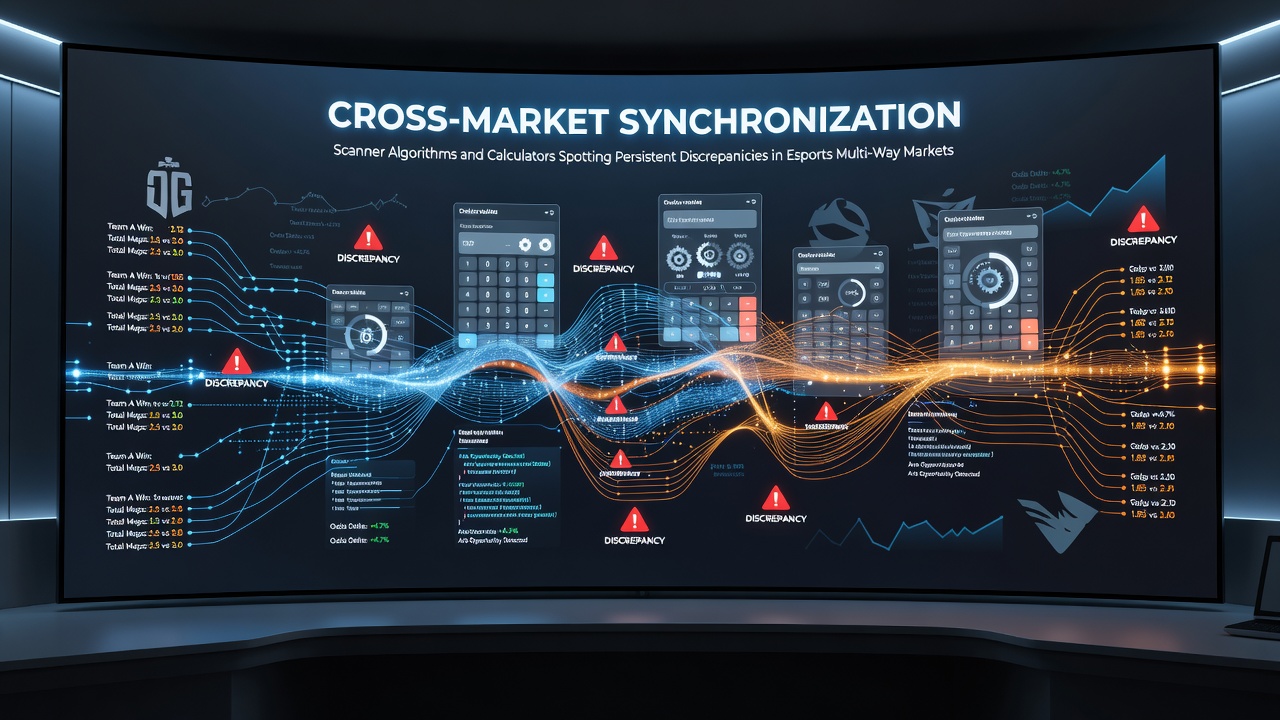
Scanner algorithms now track odds movements across separate esports betting platforms in real time, and they identify situations where multi-way markets show inconsistent pricing on the same event. Multi-way markets in esports typically involve three or more possible outcomes such as match winner plus map handicap combinations in titles like League of Legends or Counter-Strike, and these structures create more variables than traditional two-way lines. Data from July 2026 shows increased trading volume in these markets during major tournaments, which has prompted operators to adjust lines at different speeds and left temporary gaps that automated systems detect.
Those who operate scanners connect feeds from various bookmakers and compare implied probabilities side by side. When one platform lists a three-way outcome at 2.40 while another shows teh same selection at 2.55 after accounting for margin, the software flags the difference and calculates the stake distribution required to lock in a return regardless of result. Calculators handle the arithmetic for proportional stakes across three or more selections, which reduces manual error and speeds up execution before odds realign.
How Synchronization Tools Operate Across Platforms
Algorithms pull live data feeds every few seconds and convert each bookmaker's odds into a common probability scale. They then run cross-checks against historical movement patterns recorded during previous esports events, and they highlight cases where pricing diverges beyond normal variance thresholds. One study from the University of Sydney's gambling research unit examined synchronization lags in digital sports markets and found that multi-way esports lines often moved independently across jurisdictions because local operators applied different risk models.
Calculators take the flagged discrepancy and generate stake amounts for each leg of the arbitrage. The formulas incorporate current margins, potential payout caps, and any restrictions on maximum bets that particular platforms enforce. Users receive output in table form that shows exact amounts to place on each outcome so the combined return stays positive even after deductions.
Persistent Discrepancies in Esports Multi-Way Markets
Discrepancies persist because esports events feature rapidly changing in-game states that some operators update faster than others. Map vetoes, player substitutions, and patch updates can shift probabilities within minutes, and platforms with slower data pipelines leave windows open. Scanners monitor these timing differences and record how long each gap remains before correction occurs.
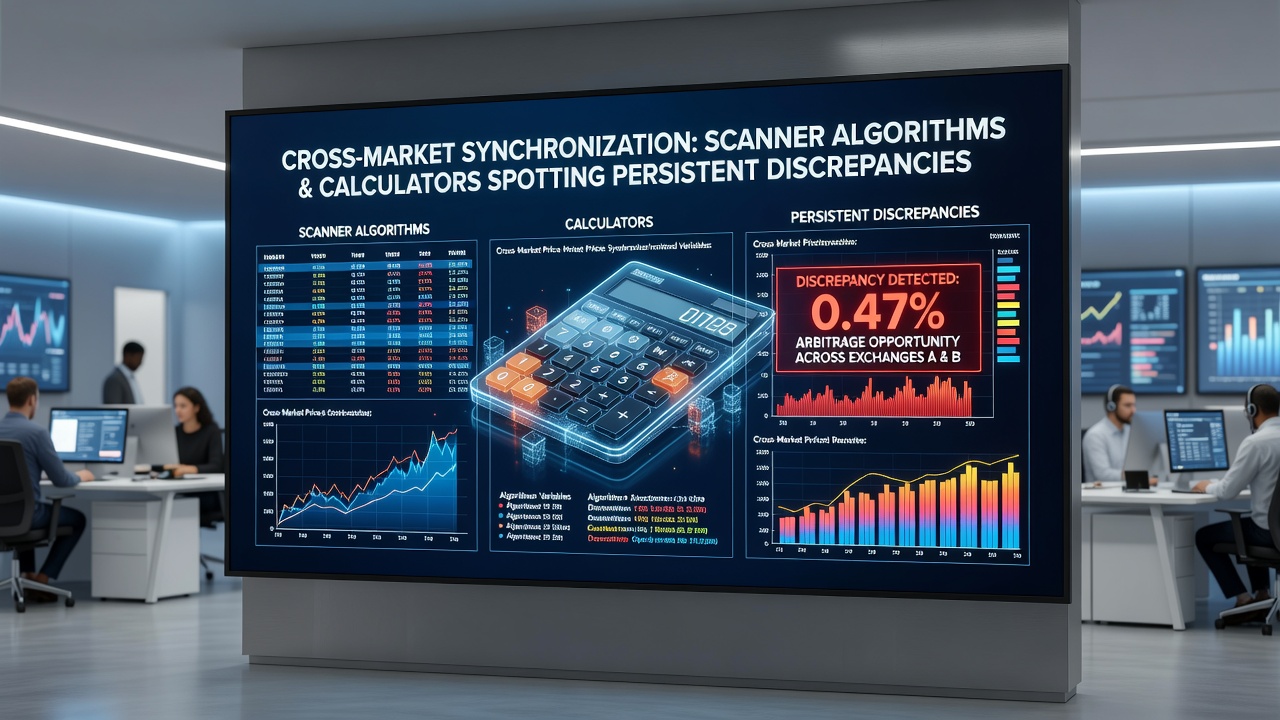
Multi-way formats add complexity because each additional selection multiplies the number of possible combinations. A four-way market on first blood plus total maps played requires simultaneous monitoring of correlated outcomes, and small pricing errors on one leg can compound across the full set. Observers note that July 2026 tournament schedules included more regional qualifiers than previous periods, which increased the total number of events and created additional opportunities for cross-market mismatches.
Role of Calculators in Stake Allocation
Stake calculators apply weighted formulas that account for bookmaker-specific limits and any bonus wagering requirements attached to deposits. They output results that satisfy the no-risk condition while maximizing the guaranteed return within those constraints. Industry reports from the European Gaming and Betting Association indicate that operators have introduced more granular limits on esports selections in response to automated activity, which makes precise allocation even more important.
Users combine scanner alerts with calculator outputs to execute positions across accounts before prices converge. The process requires accounts on multiple platforms and sufficient liquidity on each side of the trade. Data shows that synchronization between pre-match and live odds in esports has improved over the past year, yet gaps still appear during high-profile matches when betting volume spikes suddenly.
Market Developments Observed in Mid-2026
Esports betting volumes rose during the first half of 2026 according to figures compiled by the Australian Communications and Media Authority, and multi-way markets accounted for a larger share of total handle than in prior years. Scanners adapted by expanding their coverage to include newer betting formats such as team total kills combined with series score. These additions created fresh sets of correlated outcomes that algorithms must evaluate together rather than in isolation.
Calculators now include modules that test sensitivity to small odds changes, which helps users understand how much room exists before a position turns unprofitable. The tools also factor in currency conversion rates when platforms operate in different regions, ensuring the final profit calculation remains accurate after exchange adjustments.
Conclusion
Scanner algorithms and stake calculators continue to identify and quantify pricing inconsistencies across esports multi-way markets. Their combined use allows systematic comparison of odds from separate operators and generates precise allocation instructions for each selection. As tournament calendars expand and new betting formats appear, these tools maintain relevance by tracking synchronization patterns and highlighting persistent discrepancies that arise from differing update speeds and risk models.