Chasing Hidden Profits: Scanners and Calculators Transform the Sports Arbitrage Landscape
Written by Devon Becker · Mar 25, 2026
Chasing Hidden Profits: Scanners and Calculators Transform the Sports Arbitrage Landscape
Unpacking Sports Arbitrage Basics
Sports arbitrage, often called "arbing," hinges on exploiting discrepancies in odds offered by different bookmakers for the same event, allowing bettors to wager on all possible outcomes and lock in a profit regardless of the result; this happens because bookmakers set odds based on their own risk assessments, market movements, and customer behavior, creating temporary imbalances where the combined implied probabilities fall below 100 percent. Data from industry trackers reveals that such opportunities arise frequently in high-liquidity markets like soccer, tennis, and basketball, especially during major tournaments when odds fluctuate rapidly across global platforms.
Observers note how arbers calculate stakes precisely to equalize payouts, turning what seems like a gamble into a near-certain return of one to five percent per bet; take a classic example from a tennis match where Bookmaker A offers 2.10 on Player X to win and Bookmaker B lists 2.05 on Player Y, yet savvy users distribute funds so that either victory yields the same profit after commissions. And while the concept dates back decades, digital tools have exploded its accessibility since the early 2010s, pulling in everyone from hobbyists to professionals chasing consistent edges.
Odds Scanners: The Real-Time Hunters
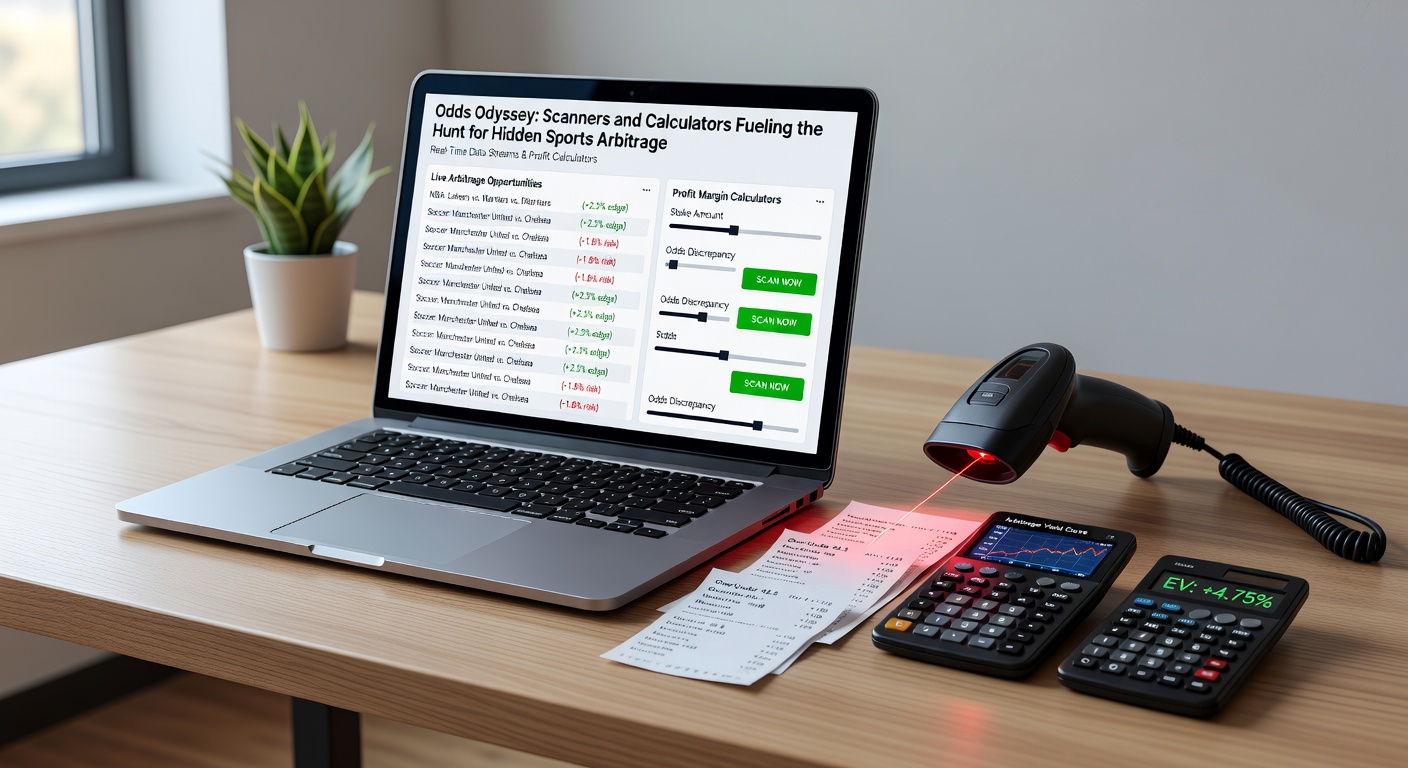
Odds scanners sweep hundreds of sportsbooks simultaneously, scanning lines for football leagues, NBA games, or even eSports matches, flagging arbs the moment they appear since these windows often close within minutes due to odds adjustments; platforms like these update every few seconds, comparing decimal, fractional, and American formats across operators from Europe to Asia, and they prioritize "surebets" by profit percentage or event liquidity. Research indicates that top scanners detect thousands of opportunities daily, with users filtering by sport, stake size, or bookmaker restrictions to focus on viable plays.
What's interesting is how machine learning now powers many scanners, predicting drifts before they fully form by analyzing historical data, live feeds, and even social media buzz; one case study from a European betting analytics firm showed scanners boosting detection rates by 40 percent during volatile periods like international breaks. Yet scanners don't just list odds, they integrate with APIs from bookies, providing drop-down menus for quick bet placement, which keeps arbers ahead of the line movements that kill opportunities.
Figures from American Gaming Association reports highlight a surge in U.S. market liquidity as more states legalize sports betting, feeding scanners with richer data pools and creating cross-Atlantic arb chances that weren't possible a few years ago.
Calculators: Precision in Every Stake
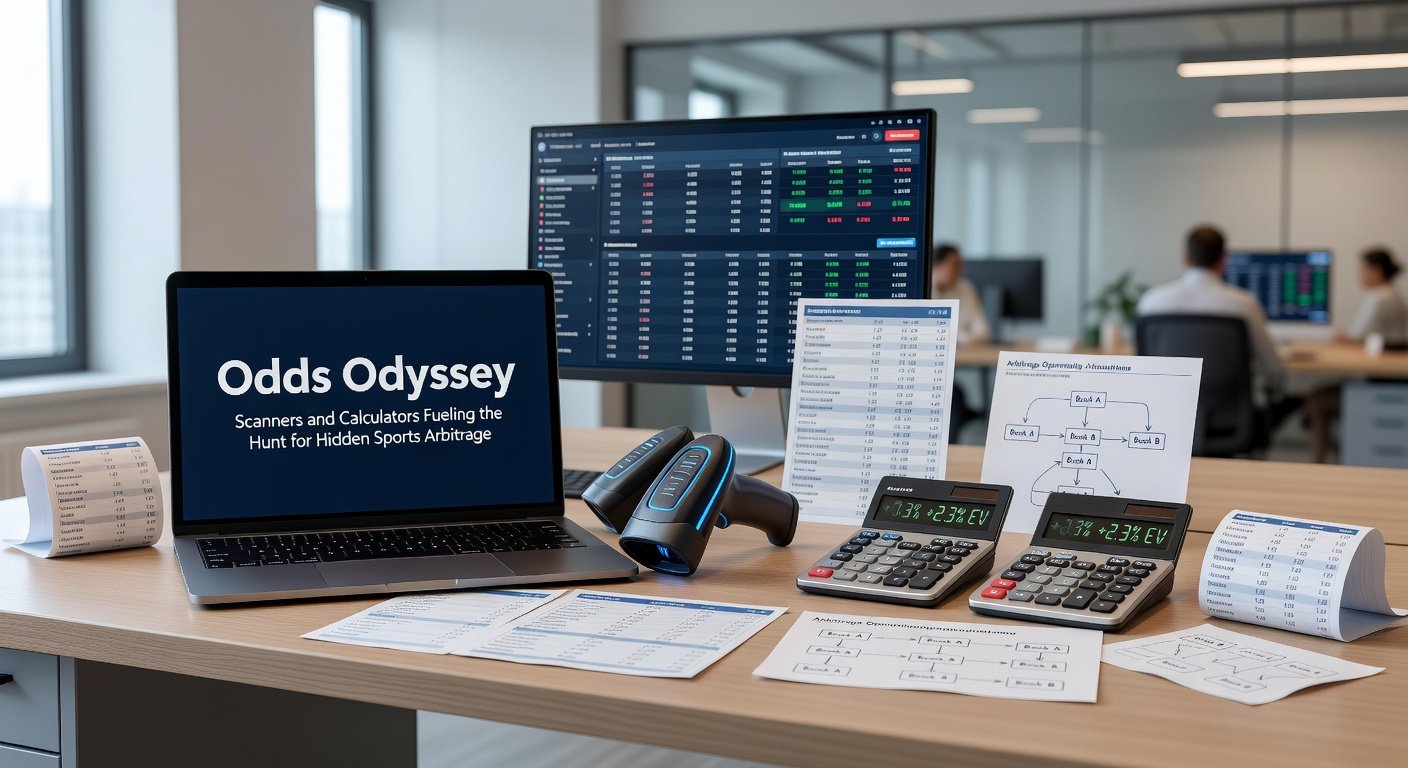
While scanners spot the arbs, calculators handle the math, inputting odds from two or more outcomes to output exact stake amounts ensuring equal returns; users enter bookmaker odds, desired profit, and commissions, then the tool spits out proportional bets like 55 percent on one side and 45 on the other, all while factoring in currency conversions for international plays. These free online versions abound, but premium ones tie directly into scanner feeds, automating the entire process from alert to stake recommendation.
Turns out advanced calculators go further, simulating scenarios with variable vig or partial cash-outs, and they often include "hold calculators" to measure true edge after house margins; experts who've dissected thousands of bets observe that improper stake sizing leads to 80 percent of arber losses, underscoring why precise tools remain essential. So picture a basketball game where Team A sits at +150 on one site and Team B at -160 elsewhere, the calculator balancing $420 on the underdog against $280 on the favorite for a guaranteed $20 profit no matter the score.
And here's where it gets interesting: mobile apps now embed these calculators with voice input and AR overlays, letting users scan bookmaker screens via phone camera to compute arbs on the fly during live events.
Tools Powering the Modern Arb Hunt
Leading platforms combine scanners and calculators into all-in-one suites, monitoring over 100 bookmakers and alerting via email, Telegram, or app push for arbs exceeding one percent profit; some specialize in "middle arbs" where pushing outcomes create extra windows, others focus on low-risk "triangle arbs" across three books. Data shows usage spiking around events like the NBA playoffs or UEFA Champions League, where volume drives discrepancies.
People often find value in free trials that reveal 50 to 100 daily arbs, converting many to paid subs costing $100 to $500 monthly depending on features like VPN integration or account management tips; one observer tracked a user turning $10,000 into $12,500 over three months purely on scanner-fed tennis arbs. But tools evolve fast, with AI now cross-referencing player injuries or weather data to validate opportunities before alerts fire.
In March 2026 specifically, reports point to heightened activity as bettors gear up for the summer Olympics qualifiers and MLB season openers, with scanners logging 20 percent more cross-book discrepancies amid global hype; platforms responded by expanding coverage to niche leagues in South America and Africa, where odds lag behind European adjustments.
Navigating Regulations and Global Variations
Arbitrage thrives in regulated markets, yet bookmakers counter with account limits or bans for consistent winners, prompting arbers to rotate accounts and stakes; across the U.S., state bodies like the Nevada Gaming Control Board oversee fair play while allowing tech tools, whereas in Canada, provincial regulators such as those in Ontario monitor for integrity without prohibiting arbing outright. Studies from international watchdogs reveal that 70 percent of pros use multiple jurisdictions to sustain volume, blending U.S. liquidity with Asian lines for optimal spreads.
The reality is enforcement varies; Australian authorities emphasize consumer protection through tools disclosure, while EU frameworks under bodies like the Belgian Gaming Commission stress transparency in odds feeds, indirectly boosting scanner efficacy by standardizing data. That said, arbers stay compliant by documenting bets and avoiding multi-accounting schemes that trip automated flags.
Challenges, Risks, and Real-World Edges
Even with scanners and calculators, "gumming" occurs when bookies void bets post-match due to errors, wiping out projected profits; latency in scanner feeds can miss peaks, and high-stake arbs draw scrutiny faster, leading to frozen accounts. Observers who've run simulations find that diversification across 20-plus books mitigates this, with average returns holding at two percent after fees.
One study detailed a group of arbers navigating a volatile NFL weekend, using calculators to adjust for live drifts and netting 3.2 percent ROI despite two voids; it's not rocket science, but discipline rules, as over-reliance on tools without bankroll management spells quick exits. Yet for those who master it, the hunt yields steady gains amid sports betting's trillion-dollar global churn.
Conclusion
Scanners and calculators have redefined sports arbitrage from manual drudgery to efficient, data-driven pursuit, unearthing hidden profits in odds odysseys worldwide; as March 2026 unfolds with packed calendars, these tools equip users to capitalize on fleeting edges, blending technology with strategy for risk-minimized returns. Data underscores their impact, with adoption rates climbing as markets mature, and while challenges persist, the core promise endures: discrepancies exist, and the right arsenal finds them every time.