Capital Distribution Patterns in Worldwide Betting Market Divisions
Written by Leon Butler · Jun 3, 2026
Capital Distribution Patterns in Worldwide Betting Market Divisions
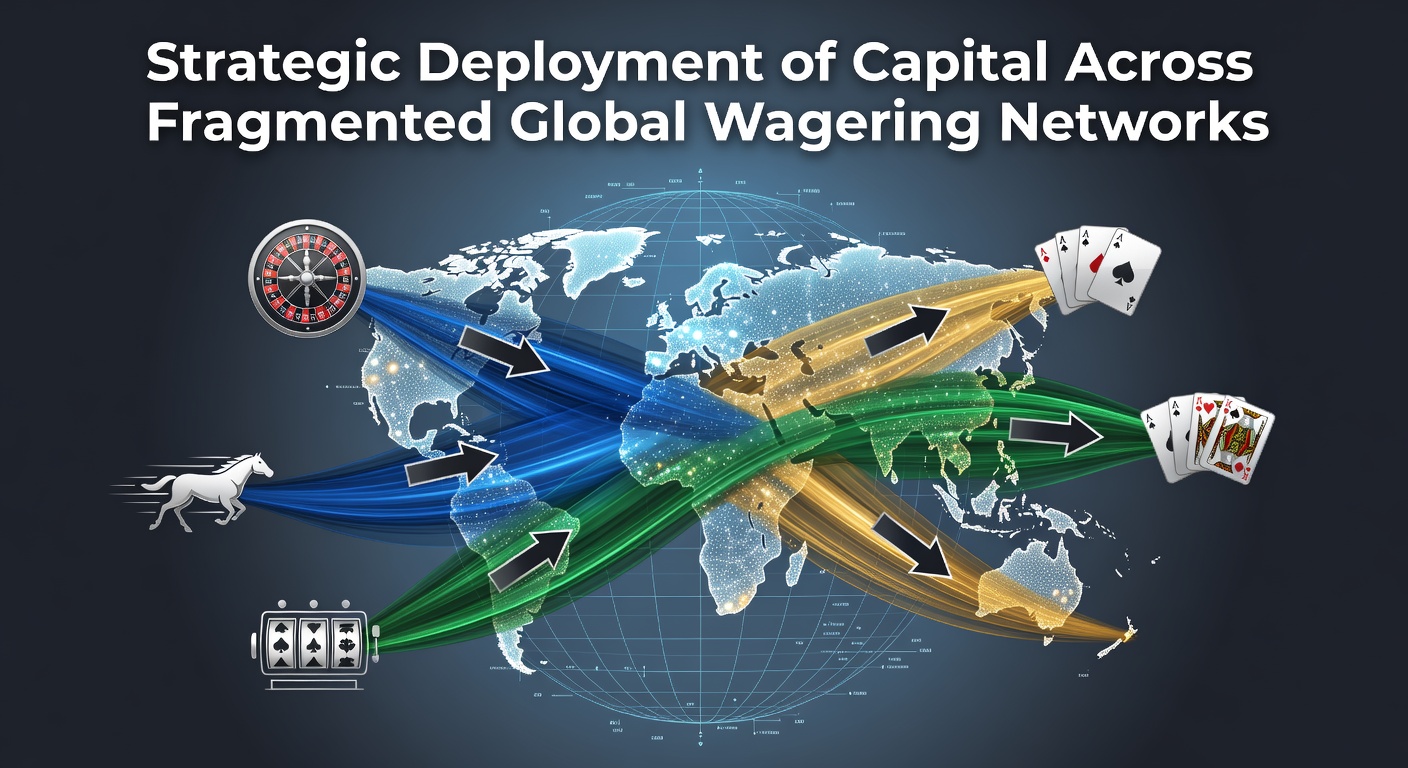
Markets for wagering operate in separate regulatory zones, currency systems, and liquidity pools that create distinct environments for fund placement, and observers note how operators and participants move resources to match these conditions without concentrating exposure in any single location. Data from the Australian Gambling Research Centre shows activity levels across multiple jurisdictions rising steadily through early 2026, with June figures indicating shifts toward platforms in regions that maintain stable liquidity during peak international events.
Market Fragmentation and Resource Placement
Fragmentation arises because licensing rules, tax structures, and technology standards differ sharply between countries, which means capital cannot flow freely but instead requires targeted allocation that accounts for local settlement times and compliance requirements. Researchers at the University of Nevada Las Vegas documented how operators maintain separate accounts across North American, Asian, and European platforms to handle these variations, and the approach allows positions to adjust quickly when odds diverge between one market and another.
Payment rail selection forms another layer because some networks process withdrawals in under 24 hours while others require several days, forcing allocation plans to include buffer amounts that cover timing gaps. Figures released by the Nevada Gaming Control Board for the first half of 2026 reveal increased use of multi-currency wallets that convert holdings automatically when capital crosses borders, reducing the friction that previously slowed redeployment.
Allocation Methods Across Regions
Operators often divide holdings into tiers that reflect both opportunity size and regulatory risk, placing larger portions in mature markets with established oversight and smaller reserves in emerging jurisdictions where rules remain fluid. A report issued by the Canadian Gaming Association in May 2026 highlighted how firms active in provincial sports betting expanded their presence in regulated US state markets during the same period, using incremental transfers that kept overall exposure within internal risk limits.
Real-time monitoring tools track liquidity depth and settlement reliability, allowing adjustments when one platform experiences temporary constraints. Those who manage larger portfolios rely on automated triggers that shift portions of capital toward markets showing higher volume, while maintaining minimum balances in each active location to meet local operational thresholds.
Technology Supporting Cross-Border Flows
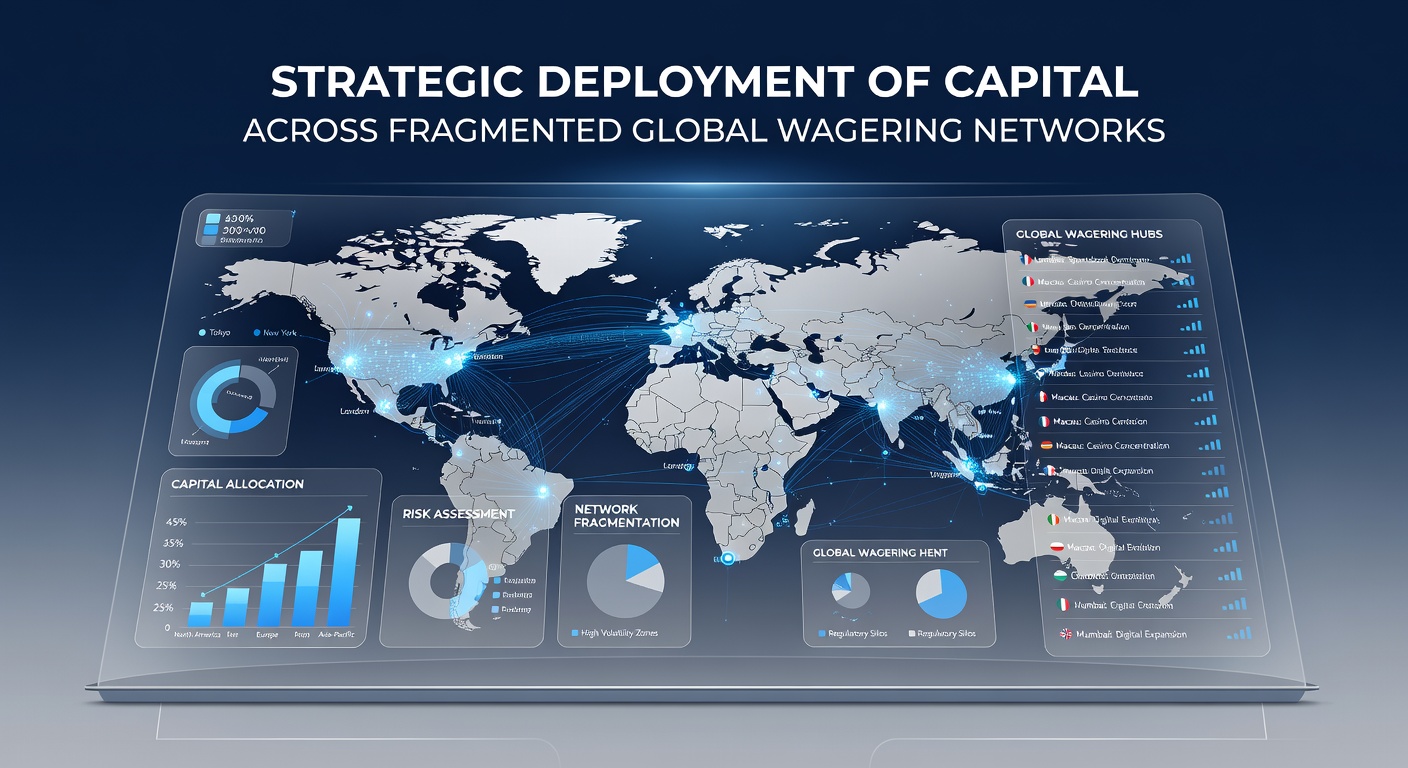
Software platforms integrate with multiple banking partners and exchange services, which enables simultaneous visibility into balances held in different currencies and jurisdictions. teh European Gaming and Betting Association published usage statistics in June 2026 that indicated widespread adoption of these integrated systems among operators handling multi-continent operations, and the data showed reduced manual reconciliation time as a direct result.
Security protocols add another dimension because each region imposes distinct data protection and transaction reporting rules. Firms therefore segment their technical infrastructure so that capital movement records remain compliant without exposing the full portfolio view to any single regulatory body. This segmented approach appears in case studies presented at industry conferences where participants described maintaining parallel ledgers that reconcile only at the parent company level.
Timing Considerations in June 2026
Seasonal patterns influence when capital moves most actively, with major tournaments and racing calendars creating predictable spikes in certain markets. Observers tracking activity through the second quarter of 2026 noted that funds shifted toward platforms covering European football and North American baseball events during June, while balances in Asian markets adjusted downward temporarily to offset concentration.
These movements rely on pre-established credit lines and settlement agreements that activate automatically when volume thresholds are reached. Research compiled by the World Lottery Association demonstrates that organizations using such pre-arranged facilities experienced fewer disruptions during high-demand periods compared with those relying on ad-hoc transfers.
Conclusion
Strategic deployment across fragmented networks depends on understanding regulatory differences, liquidity variations, and settlement mechanics that shape each market. Data from multiple regional authorities and industry groups confirm that systematic allocation supported by integrated technology reduces idle capital and maintains operational continuity. Continued monitoring of these patterns through the remainder of 2026 will show how participants refine their approaches as new platforms and rules emerge in different jurisdictions.